

Sit Still
thinking of a feeling is neither thinking nor feeling

Words are getting stuck. I’ve worked hard to squeeze them out. All that you see here are spurts. I want more—more words, distilled neatly into a glass bottle. Instead, it’s an obnoxious, concentrated concoction with sediments floating around. I reckon I know why this is so. It’s a consequence of having thought too much for my own good this past week. Then again, when is too much thinking ever good? When is too much of anything? The rambling is but a natural efflux when thoughts attempt to keep more thoughts at bay.
Last year, I was in an auto with someone dear to me (let’s call her Myna). We headed to an art gallery one hot, New Delhi afternoon. Myna is much older than I am, beautiful in an intense way, and wiser than everyone I know. We would meet only when our schedules permitted, but every time we did felt like rebirth. Her interventions begin as meandering anecdotes before proceeding to sharply pin onto me the very thing I am steering clear of. I admired her mind, often leading me down paths that illuminated themselves with every one of her prompts. Myna had a way with handling feelings—which is what I liked most about her. She carried them as one would a heart in one’s palms. As we sat there talking about my Big Feelings™, I’d tried to sound erudite. I lapsed into half-assed psychoanalysis, stuttering and spitting out some theory that married Freud, Lacan, and Žïžek to offer an explanation for why I had deep, recurring feelings of discomfort. Once I was finished, she cooly advised me (in a way that made it sound more like a question than the comment that it was) to feel a feeling fully without letting thought interrupt it.
Silencing thought through more thought is counterproductive, yet it’s what we do without realising (thinking?). We might also be thinking about feeling(s) in moments that merit sitting with the latter, which is the surest way to desist feeling.1
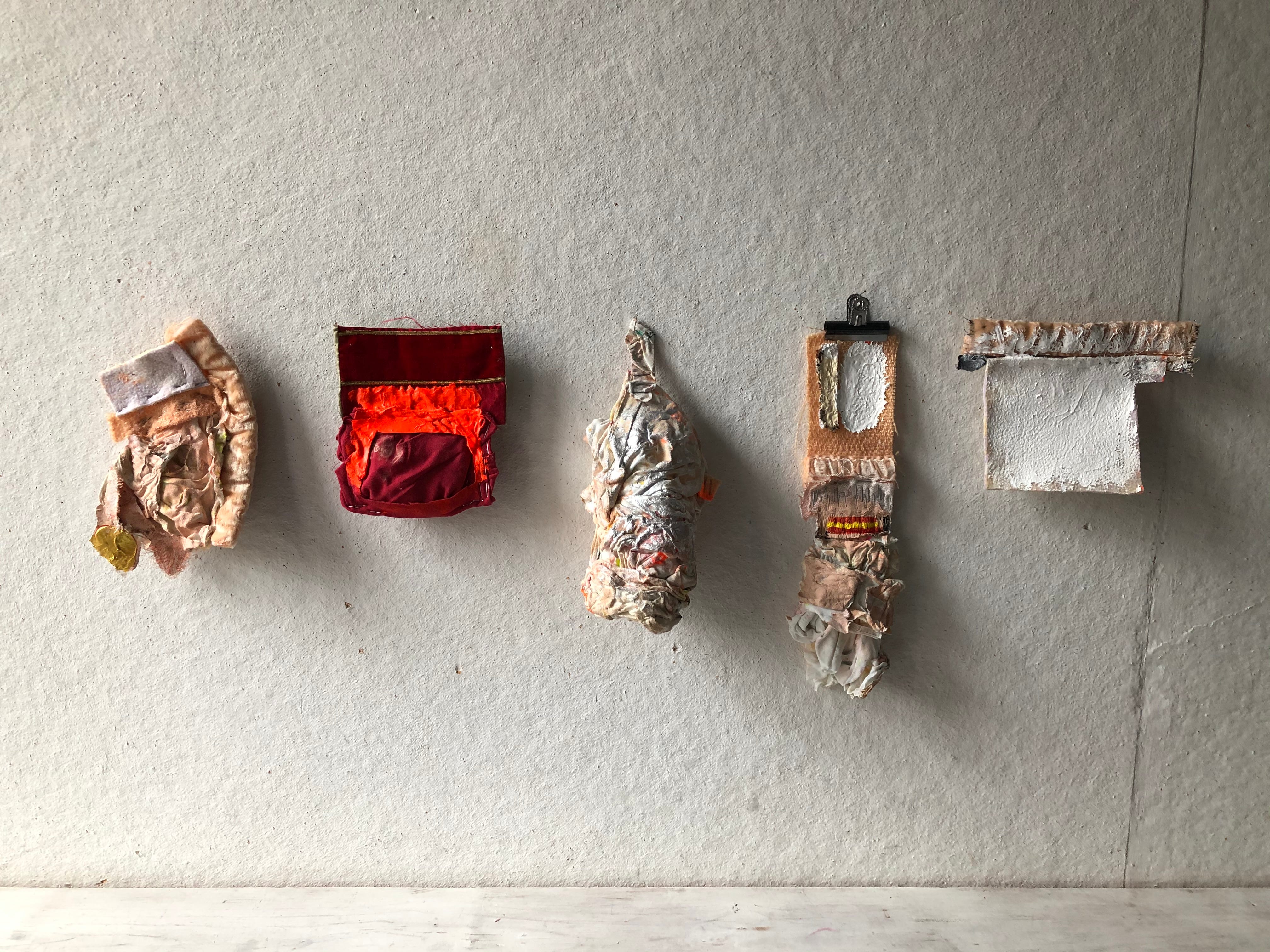
Stillness is, as most forms of meditations remind us, a means of silencing the mind (not so much the body). Meditation that once prescribed silencing a stream of interruptions in the mind eventually clarified that the practitioner is allowed—encouraged, even—to have thoughts ebb and flow. Why this urge to stop over-thinking? When do we reach that goldilocks moment of thinking just enough? Thinking becomes the surest way of clarifying experience; the strainer, and not the contents distilled into the bottle. I think (lol). Like breathing, the moment one begins to grow aware of it, there’s a high chance they’re going to do something wrong. Thinking that one shouldn’t think about something is as circular and stupid as it sounds. Yet in our attempts to keep angst at bay, we grow more aware of all that we want to stop paying attention to. This isn’t the problem. The real challenge lies in how we fixate on wanting to stop the feeling (by thinking) without really thinking about anything other than the fact that we’re thinking. Using thought to restrain thought is like wrapping a wound with the very skin that had peeled off.
This isn’t to suggest that feelings are devoid of thought, or to partake in the chicken-egg dilemma of which precedes which. Sitting with discomfort is not, as we would imagine, a rumination. Thinking about the subject that has brought about anguish, betrayal, envy, or grief more acutely when we tell ourselves not to escape any of these feelings becomes the means of escaping the feeling altogether. Contrary to popular belief, the act of confronting these feelings can only shape up if we didn’t dwell on the nuances of how, where, and why the feeling is the way it is. The subject of a feeling is a façade for what lies beyond what is thinkable or knowable to us in the immediate present.
Feeling anguish is beholding the prolonged periods of paralysis around a thing that result in mindless repetition and numbness. Betrayal, instead, is a moment of panic that grips your throat with a heavy hand. Everything that succeeds it—the denial or mulling over the details with morbid intrigue—is no longer the same feeling, but a detraction from the displeasure. Envy feels hot and cold at the same time, while its distraction looks a lot like feigning support or snide quips under the garb of jokes. Grief is a box that closes in on you with no holes to breathe. Thinking of feelings falls squarely within no man’s land. It doesn’t qualify as a feeling. In its partial attempt at describing the feeling through thought, it comprises language that has ricocheted off an original thought into a string of words to fill the space. It’s a phantom feeling that, were it to disappear, would feel empty; too good to be true. No, we can’t live with ease like that. So, we stir the pot.
Rudimentary ideas that I’m playing around with